 |
 |
Welcome to the 2 September update from Christchurch Football Club, keeping you connected with all the awesome events, milestone celebrations and happenings in and around the club.  |
 |
A correction with regards to an article in last weeks newsletter where I had indicated that Tony Penny was a Life Member of the Christchurch Football Club. Unfortunately this is not correct, and I apologize for my oversight. |
|

|

|
|
|

We want to acknowledge the passing of Glyn Braithwaite who was an honorary member (fully paid) of the Christchurch Football Club and coached our Un19B team in 1966. Courtesy of Rod Rudkin from the Canterbury Rugby Referees Association (CRRA) we have been provided with the following background regarding Glyn’s involvement with the CRRA: Glyn joined the Referees Association in 1967 and had 30 years on the field, 20 years on the Executive and 20 plus years coaching and mentoring his last role being appointments officer for junior and teen age rugby. He was made a life member in 2010. Glyn was a very forthright person reluctant to change his opinion but there are a good number of current referees out there who have Glynn to thank for his mentoring and advancement in their chosen sport. He was a popular president in 1988/9. Glyn was well respected member of the association and when he started pointing his index finger at you it was time to agree with his thoughts and comments totally. We want to sadly acknowledge the passing of Lana Johnston’s father over the weekend and on behalf of the club and all its members our thoughts and prayers are with you and your family at this sad time |
 |
As we head into Junior prize giving this weekend Its a time for review and reflection. How many of you are open to some good honest feedback and how many take it personally. Recently this role has highlighted a couple of things for me, strong leadership is what is required to take this club back from good to great! I guarantee the straight away a few bodies will be going why is he talking about me like that and will believe that I have pointed the finger at them. If that’s the case, own it ! Who are our leaders? Everyone who has membership of this club. Today we will look at “part one” of leadership at a rugby club and how we can be better. Good leadership in a rugby club is much more than winning games. It is about creating an environment where people want to belong, understand what is expected of them, feel valued, and are prepared to give their best for the club and each other. In a rugby club, leadership exists at every level — Board members, club executives, coaches, captains, managers, senior players and even parents can influence the culture. What good leadership looks like in a rugby club 1. A clear vision and purpose Good leaders know what the club stands for. They can answer:
A strong club doesn't simply say: "We want to win." It says: "We want to develop people, develop players and create teams that compete with pride, discipline and respect." Winning then becomes a consequence of doing things well rather than the only measure of success. 2. Leaders set the culture — whether they intend to or not Culture is what people experience when nobody is watching. A Board can write wonderful values on a wall, but if coaches shout at referees, parents abuse officials, senior players disrespect younger players, or volunteers are ignored, that is the real culture of the club. Good leaders therefore model the behaviours they expect from everyone else. They:
The leadership test Watch what the leaders do when the team loses. That often tells you more about a club than what happens when it wins. 3. Accountability without blame Strong rugby clubs have high standards and high support. Those two things need to exist together. A coach should be able to say: "That behaviour isn't acceptable." without humiliating the person involved. Likewise, a player should be able to make a mistake without being frightened of being attacked for it. Good leadership asks: "What happened, why did it happen, and what do we need to do differently?" rather than: "Whose fault is this?" Accountability means people take responsibility for their actions. Blame means people look for someone else to carry the responsibility. 4. Good leaders communicate One of the biggest failures in sporting organisations is poor communication. People can accept decisions they don't necessarily agree with if they understand:
Good club leadership means communicating before people have to ask. For example: Poor leadership: "The team has changed. Don't worry about it." Good leadership: "We have changed the team because of injuries and player availability. The coaching group discussed the options and believe this gives us the best balance for Saturday." The second approach creates trust. 5. Leaders listen Leadership isn't simply telling people what to do. Good leaders actively seek information from:
And importantly: They listen even when they don't like what they hear. A leader who only wants to hear positive feedback eventually becomes disconnected from the organisation. |
 |
|
 |
Final Round & Prize Giving — 2026 Season Wrap-Up That's a wrap on rugby for 2026! The weather turned it on for the final round, and it was fantastic to see every team run out with pride and finish the season on a high. A big thank you to our board for putting on the sausage sizzle at the club. It was great to see so many teams come together to enjoy the end of the season in true CFC style. Prize Giving — This Saturday Prize giving is this Saturday, and we can't wait to welcome all our teams and celebrate everything they've achieved this year. Please see the timings below: 9:30 – 10:00 — Year 1: Hobbs, Jordan, Ruscoe, Jenkins 10:05 – 10:30 — Year 2: Christie, Kea, Kiwi 10:35 – 11:05 — Year 3: McCaw, Tither, Du Plessis 11:10 – 11:55 — Year 4: Love, Todd, Chargers, Cougars 12:40 – 1:05 — RIP: Blue Dragons, Green Dragons, Red Dragons, Black Dragons 1:10 – 1:40 — Year 5: Grizzlies, Mud Dogs, Girls 5/6 1:50 – 2:15 — Year 6: Gorillas, Foxes 2:20 – 2:45 — Year 7: Sharks, Lions 2:50 – 3:10 — Year 8: Mana 3:15 – 3:40 — Girls: Monday Night, Junior and Senior Girls The bar and food will be open throughout the day, so come along, stay a while, and cheer on our players. For anyone who hasn't paid their subs, these can be cleared at prize giving. We look forward to seeing you all there for a great day of celebration. Regards, The Junior Committee |
 |
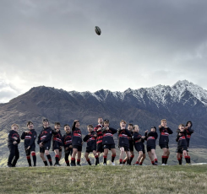
UNDER 11 CHRISTCHURCH FOOTBALL CLUB FESTIVAL TOUR After months of fundraising, sponsorship, organising and planning, our Under 11 Christchurch Football Club rugby team finally made its way south to Queenstown for the Global Games Festival. Unfortunately, the Queenstown weather had other ideas, with the opening day of the festival cancelled. But that wasn’t going to stop our boys getting some rugby in! |
|

|
|
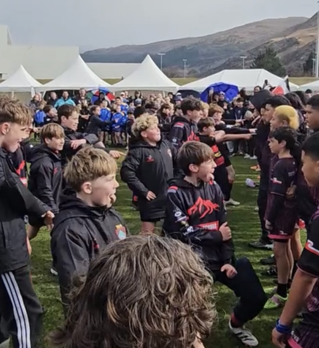
The Highlight of our boys trip came after the final game where they were joined by the U12s and challenged Te Tai Tokerau to a “haka off”, it was an amazing sight to see our young players be challenged and then reply to a group of passionate lads from the north island, other teams came running from all around to watch this play out, to say our parents and supporters were proud was an understatement, these young kids represented their community and club with such passion that many parents were bought to tears. |
 |
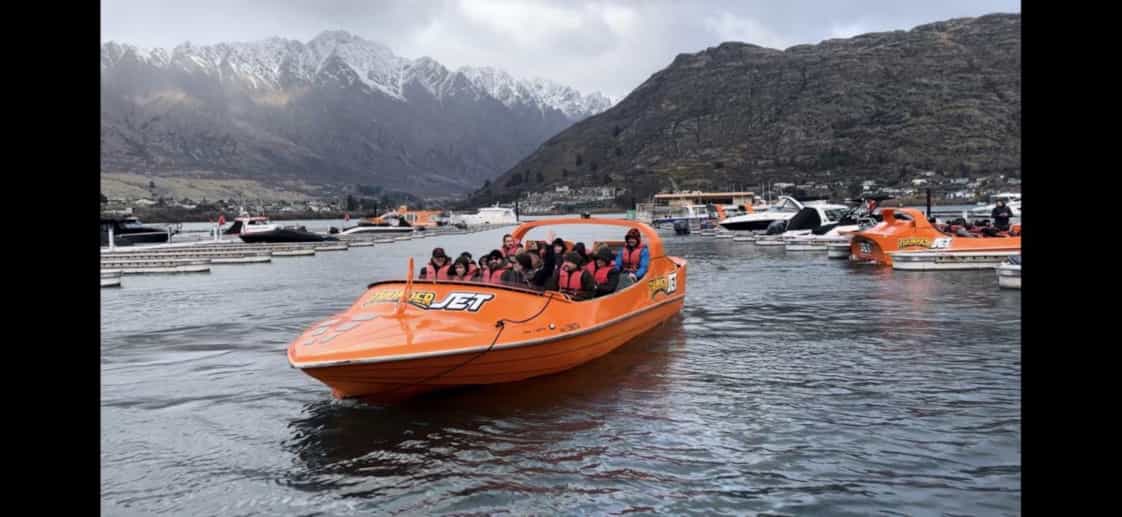
While rugby was the reason for the trip, the weekend was about so much more than what happened on the field. There wasn’t a moment wasted, with the kids experiencing plenty of what Queenstown and the surrounding area had to offer. Race car hot laps, Laser Strike, the gondola and luge, meals out on the town, electric go-karts and swimming made sure that when the boys weren’t playing rugby, they were still making memories. Most importantly, our 15 young players were surrounded by an incredible group of families and supporters throughout their first tournament trip to Queenstown. The parental support across the entire weekend was outstanding and played a huge part in making the tour such a success. A massive thank you must also go to all of our sponsors who contributed towards getting these boys to Queenstown. Without the generosity and support of our community and so many businesses, opportunities like this simply wouldn’t be |
|

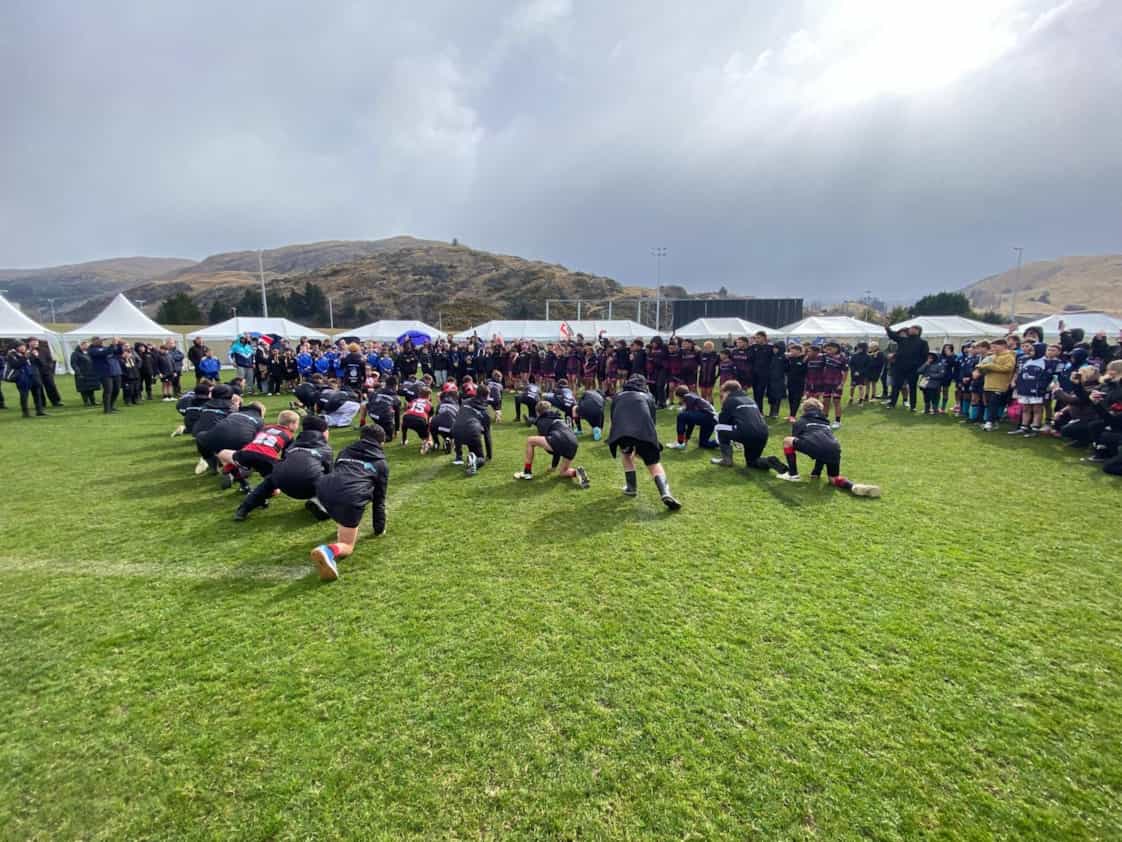
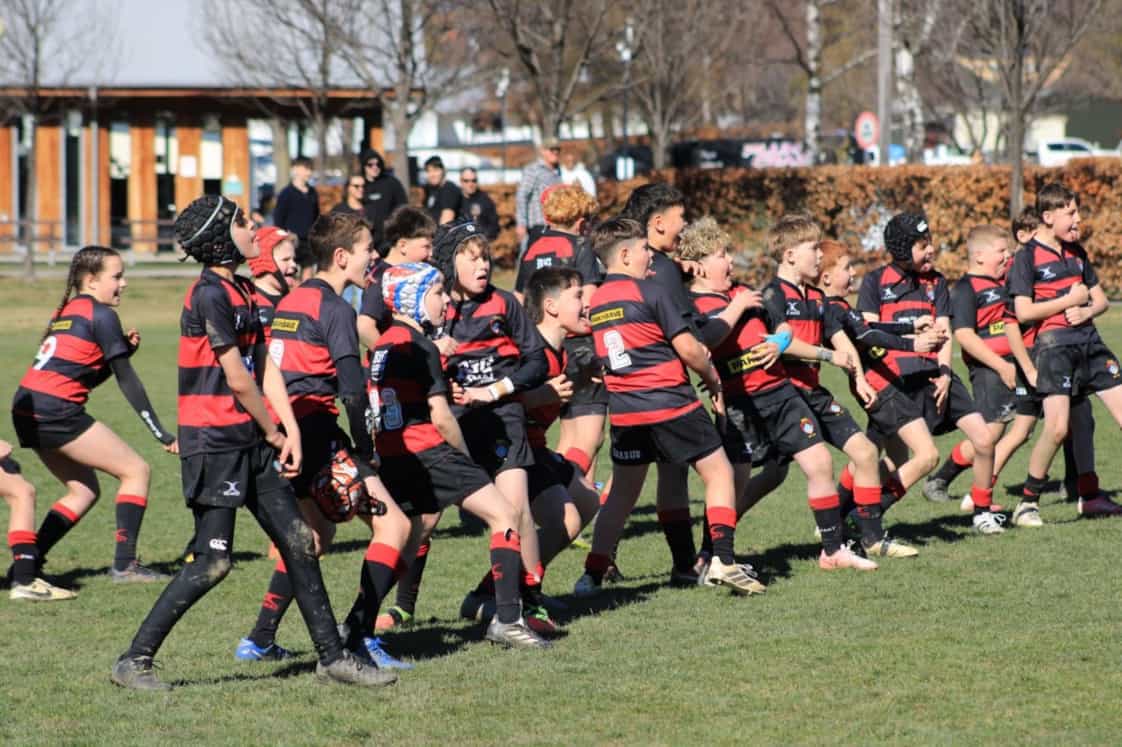
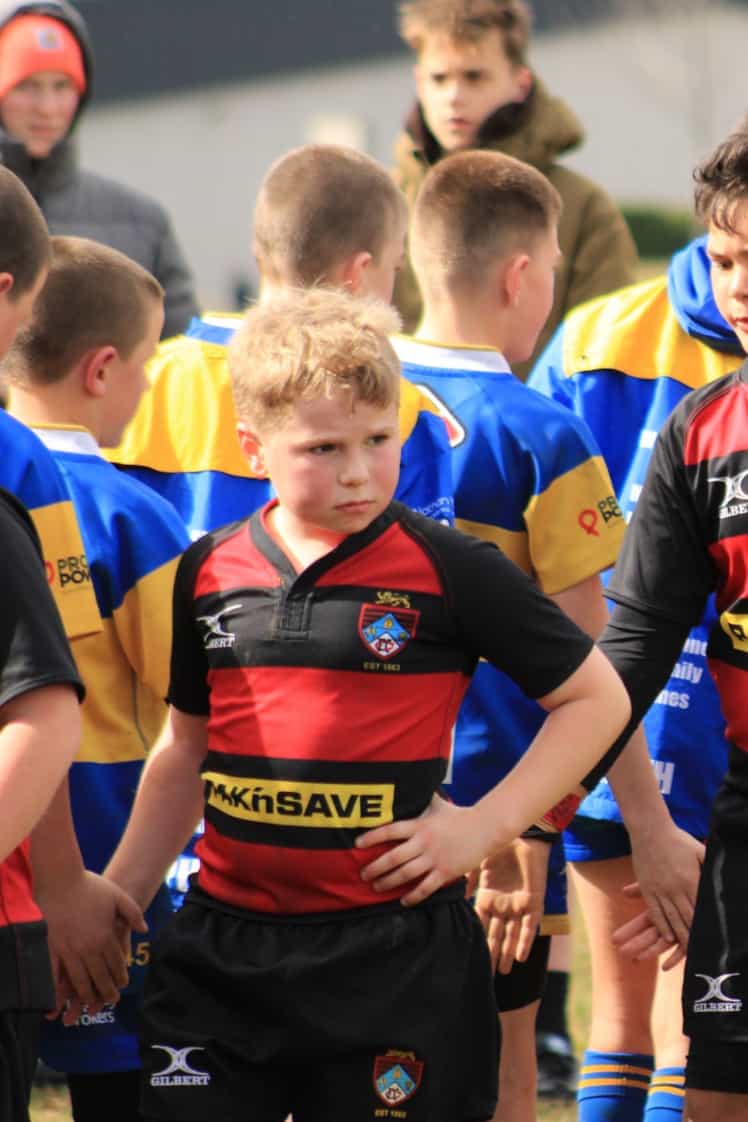
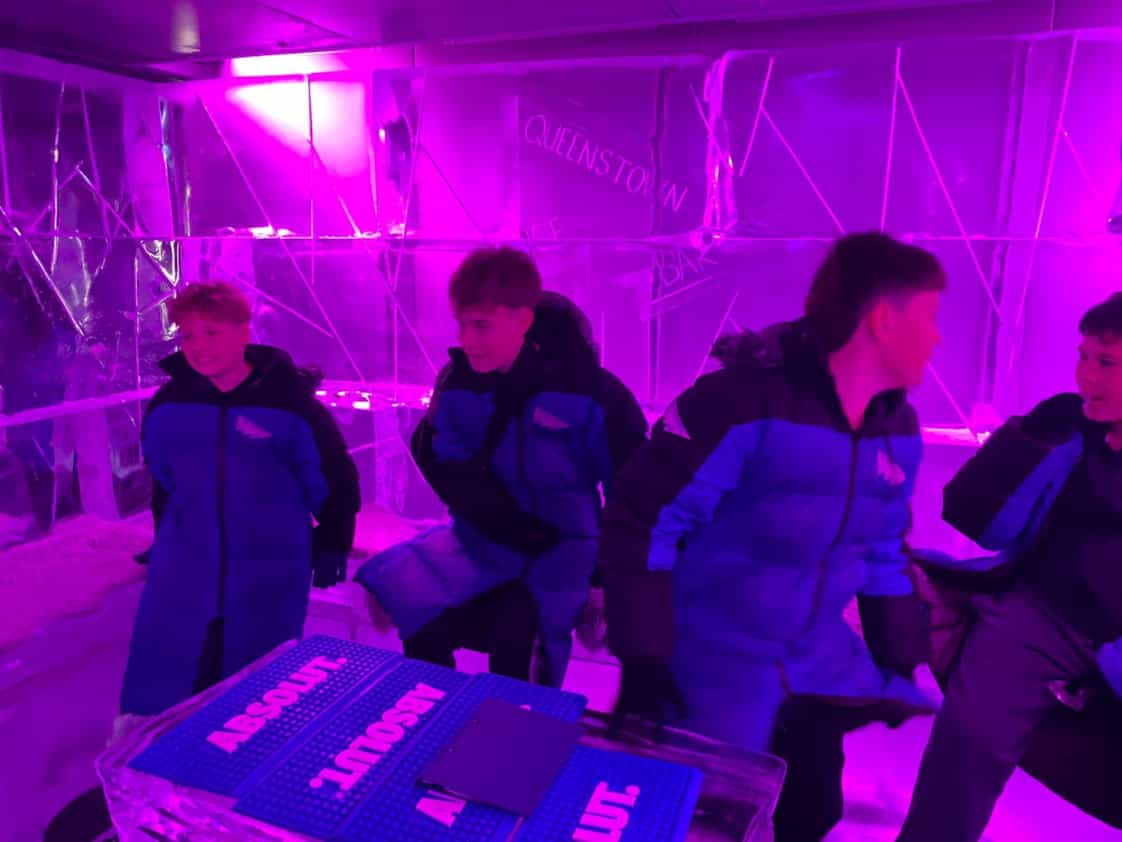
Under 12's Global Games Rugby Festival — Queenstown Wrap-Up What a way to end the year! Our Under 12s packed their bags for Queenstown and the Global Games Rugby Festival, and it turned out to be a trip the boys and girls won't forget in a hurry. Mother Nature threw us a curveball on day one, with the weather forcing a full cancellation of play. But this team knows how to make the most of any situation — the group headed to the pool to blow off some steam, then rounded out the evening with a visit to the famous Ice Bar. Not a bad way to shake off a rained-out schedule! |
|

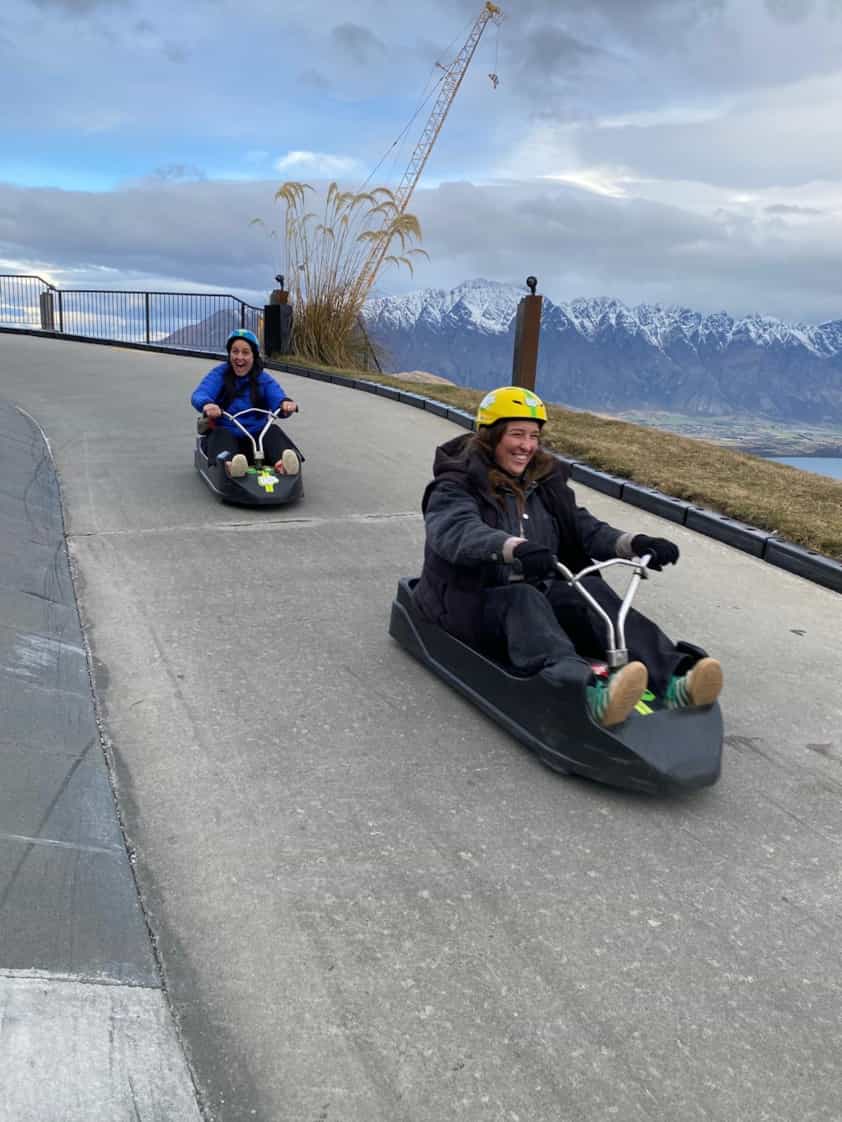
The good times rolled on into the evening, with the whole squad tearing up the track on the Skyline luge before refuelling over a team dinner and a competitive round of tenpin bowling. |
|
|
 |